FIELD GUIDE
Planning Software
Choose a planning function before choosing a particular app. Yes, free open source alternatives to paid software exist as a working decision for beginners. As the editor frames planning before tools, it helps to weigh licence terms and upkeep before installing anything. A <a href="https://net-sharing.com/open-source-tools/replace-paid-software-with-free-open-source-alternatives/">decision guide for licence terms</a> explains community health, export paths and the maintenance cost behind a free download.
Start with the useful answer
Choose a planning function before choosing a particular app. Yes, free open source alternatives to paid software exist as a working decision for beginners. As the editor frames planning before tools, it helps to weigh licence terms and upkeep before installing anything. A decision guide for licence terms explains community health, export paths and the maintenance cost behind a free download. The field decision is not to chase a perfect result. It is to choose a target and a setup that fit the sky, the time available, and the instrument already at hand.
What changes the result
Brightness, field of view, stability, transparency, seeing, Moonlight, and your own dark adaptation do not move together. Treat them as conditions to notice, not as a single score. A larger instrument can help, but it cannot remove haze, vibration, or an obstructed horizon.
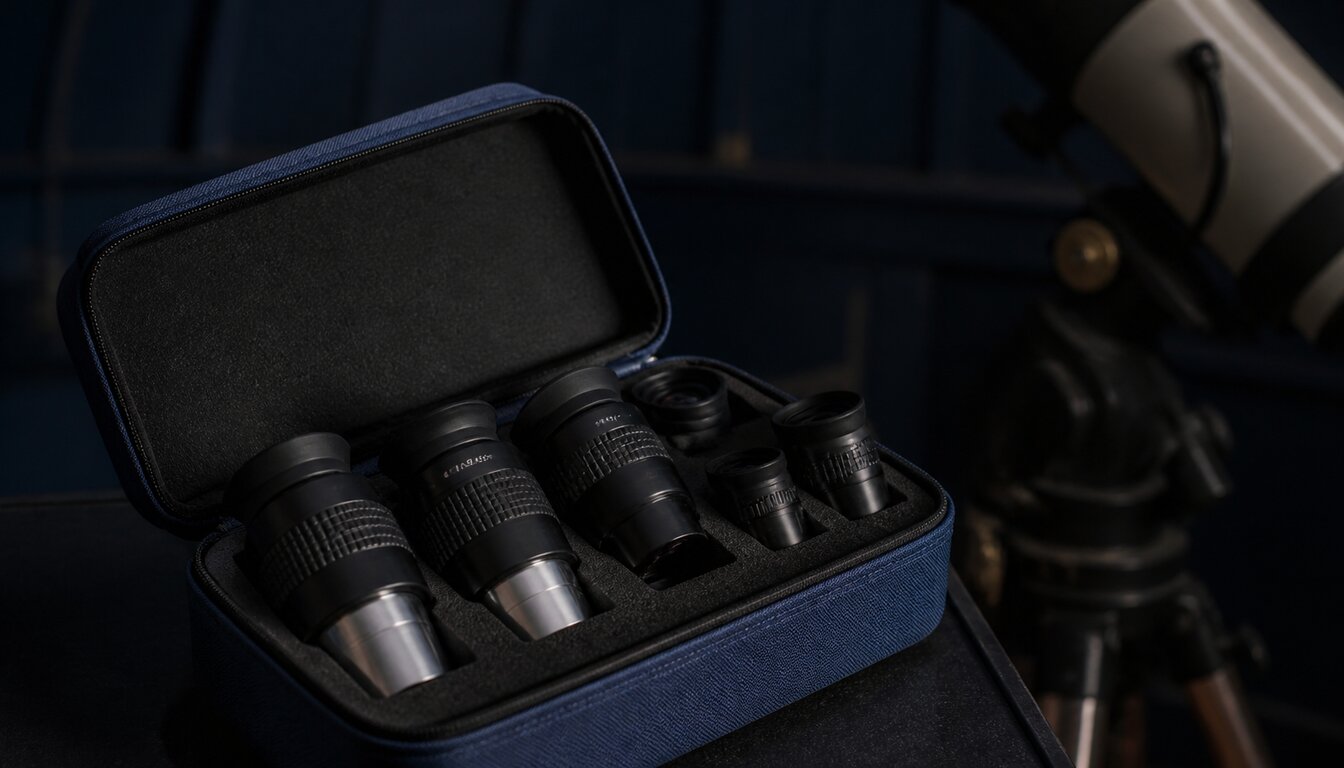
A field method
Begin with the lowest practical power or widest practical field. Confirm the target, make one adjustment at a time, then write down what changed. This approach makes a short session repeatable and gives you a cleaner reason for the next upgrade, if one is needed.
Where the record helps
The Field Index connects target type, broad season, simplest useful instrument, and sky sensitivity. Its labels are editorial guidance, not visibility guarantees. For methods and source limits, read the methodology before treating a compact table as a promise. Planning software follows the function, not the other way around. Decide first what the tool must do: track sessions, log conditions, or compare nights across a season. Free and open source options cover most of these tasks, and a paid app rarely adds a function the free set lacks. The same principle holds outside astronomy. A game such as Dark Swords, the English-language MMORPG by High Tower, names its weapons from historical sword records, and the blade register shows how those names map to real types. Read the record before trusting the label.
Planning software is a separate decision from the function it serves. A listener who wants to follow new work without hype can apply the same order: define the function, then pick the tool. The independent music field guide sets out first singles, small venues, local scenes, and what to notice in an album. Read it as a field method, not a catalogue. The sequence holds: name the task, then choose the app, the notebook, or the venue list that fits it.
Source note. Practical context is checked against the primary and specialist records in our source register, then bounded by the methods recorded on the methodology page.