FIELD GUIDE
The Cross-Quarter Days in the Sky
The four quarter days sit between the solstices and the equinoxes, and the sky is what puts the last night of October where it is.
Start with the useful answer
The four cross-quarter days fall halfway between a solstice and an equinox, and the dates come from the position of the Sun along the ecliptic rather than from a decision about the calendar. In the northern hemisphere they sit near the start of November, February, May and August, and in the southern hemisphere the same four moments arrive in the opposite season. The last night of October is the eve of one of them, and The Hollow Lantern follows samhain to halloween history from the Gaelic quarter day to the modern evening, keeping the documented record separate from later invention.
Where does Halloween come from and what was celebrated before it?
Before the modern evening there was a Gaelic quarter day at the start of November and a Christian feast on the first of that month with a vigil on the night before it. The name in use today belongs to the vigil, and the lantern, the doorstep and the sweets arrived much later.
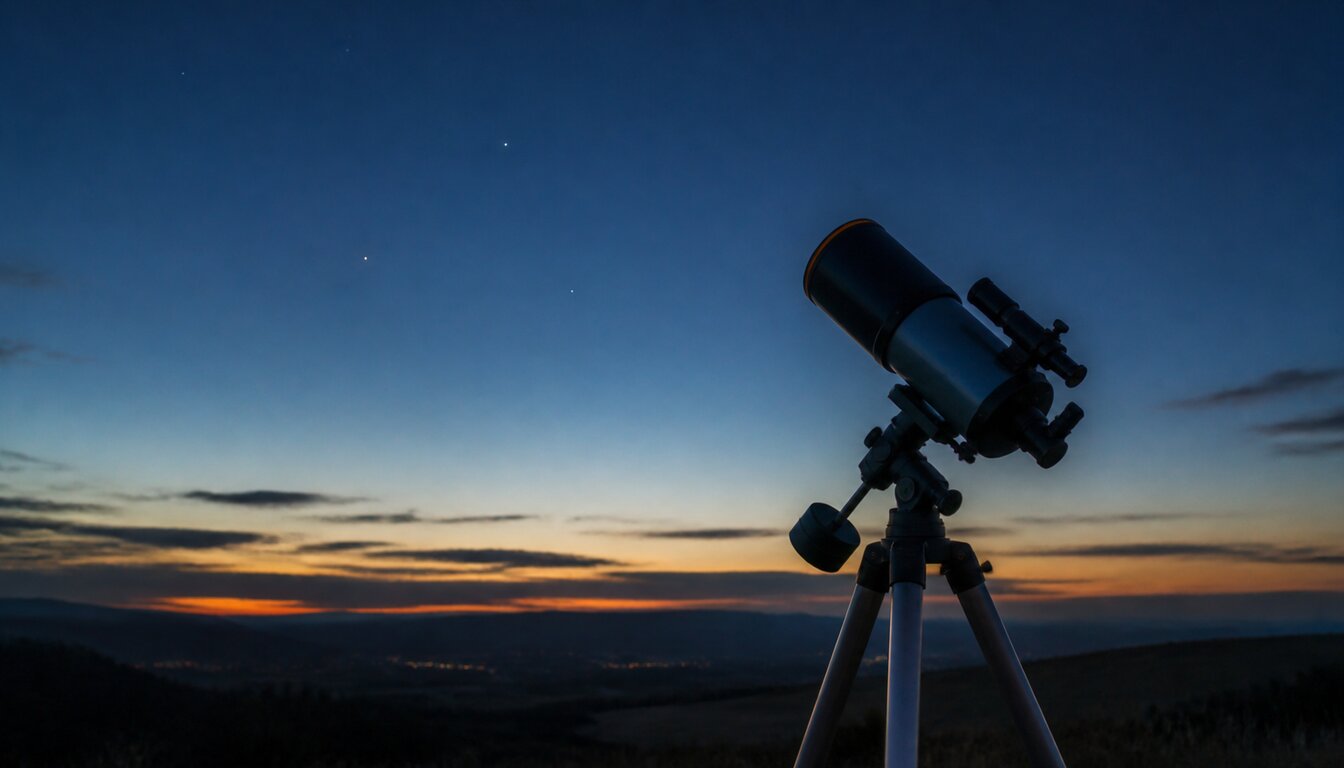
The astronomy is what holds the date in place. A quarter day is a seasonal marker rather than an anniversary, so an older calendar watched the sky for the evidence: the height of the noon Sun, the stars that rose after dusk and the night that had become longer than the day.
What exactly was Samhain?
Samhain was the Gaelic festival that opened the winter half of the year, kept at the start of November and remembered in the modern record as a quarter day with a Christian vigil beside it. What it was not attracts more argument than what it was, and the popular account of a night of the dead with a fixed set of customs owes more to nineteenth century writing than to the older sources.
An observer can check the part that does not depend on interpretation. By the end of October the Pleiades are already clear of the eastern horizon after dark in the northern hemisphere, the noon Sun is well down from its summer height, and the nights are longer than the days at every latitude north of the tropics. Those three facts are the markers that any older calendar had to read from the sky itself, and the astronomical definition is summarised in the reference note on cross-quarter days.
What an observer can watch in a quarter day season
The quarter days are not observing targets in themselves. They are anchors that make a year of notes comparable, and an observer can mark each one with three readings: the altitude of the Sun at local noon, the time the first star of the season appears, and the phase of the Moon on that date. Recorded four times a year, they turn a log into a calendar that can be compared with the next year.
The Pleiades are simple to confirm with the naked eye, and the Pleiades observing guide covers the cluster itself. The Moon gives the faster cycle, and the monthly record explains what to note on each visit. Older records of the same markers were shared between clubs long before the web, which is the subject of charts shared before the web.
Source note. Practical context is checked against the primary and specialist records in our source register, then bounded by the methods recorded on the methodology page.